

学院新闻
beat365官网博士生受邀出席农业农村部对外经济合作中心的专题研讨会议
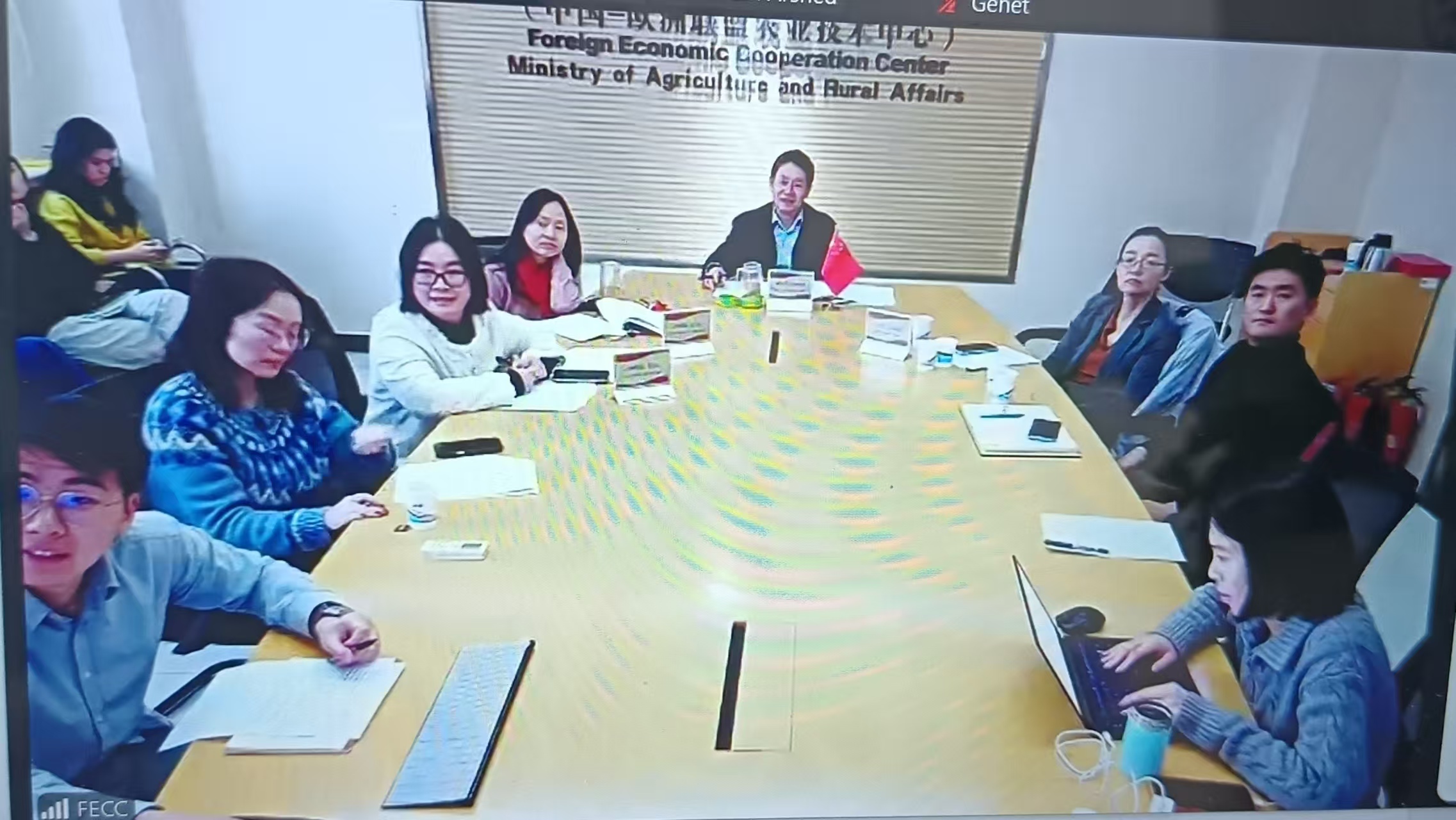
2026年2月11日,beat365英国官方网站二年级埃塞俄比亚籍博士生GENET AREFE TESFAHUNEGN女士受邀出席农业农村部对外经济合作中心的专题研讨会议并发表主题演讲,以自身在中国的亲历与研究为视角,深度分享中国减贫攻坚的宝贵经验,为深化中非发展合作、共建全球南方叙事提供鲜活实践参考,引发现场各界嘉宾的热烈共鸣。
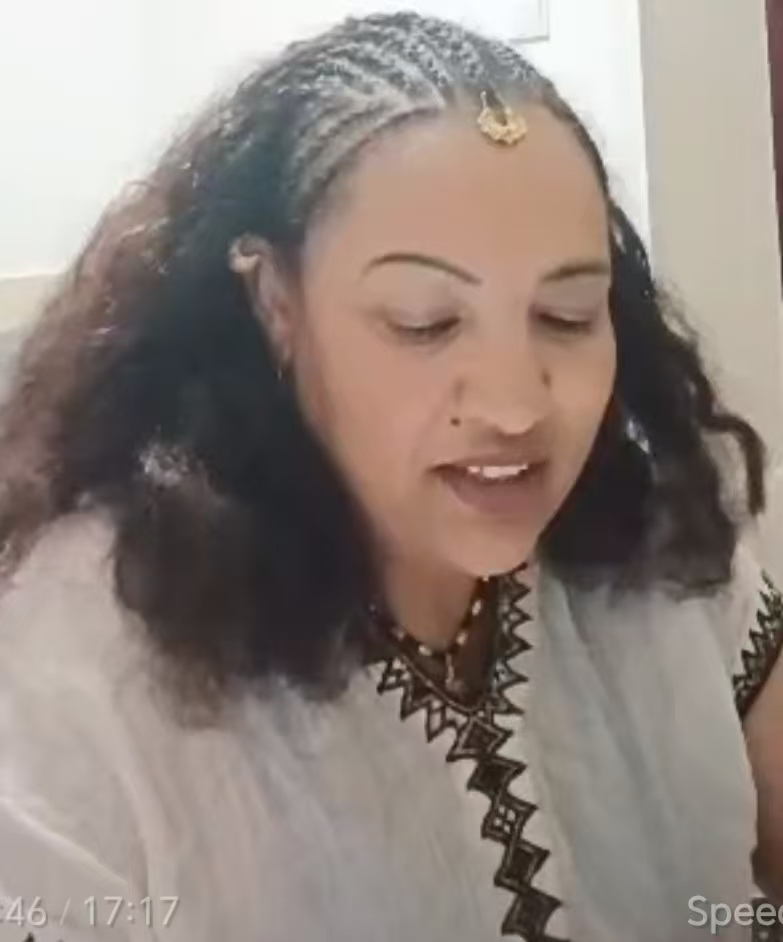
(图beat365官网博士生 GENET AREFE TESFAHUNEGN 女士)
GENET 女士怀着对中国的敬意与感恩发表演讲,称两年前来华求学,是一场见证中国减贫奇迹的探索之旅,这段经历让她肩负起把中国减贫经验带回非洲、适配落地的使命。
她表示,中国超 8 亿人口脱贫、全面消除绝对贫困,并非偶然,而是坚定政治愿景、精准政策部署与全社会深度参与的成果,为全球减贫树立典范。结合河南考察经历,她认为中国减贫的核心在于:政府强有力的领导,将脱贫攻坚作为举国同心的国家使命,目标明确、执行严格、问责到位;以脱贫攻坚八项原则凝聚全民合力,构建农业、教育、基建、社保等多领域协同的整体治理模式;“一村一品” 等乡村振兴举措,让社区成为自主发展主体,彰显 “赋权于民” 的重要理念。
她还提到,中国减贫不只是增收,更通过教育、医疗、社保实现人的全面赋能,从根本上阻断贫困代际传递;女性在减贫中发挥重要作用,充分践行 “赋能女性就是赋能国家”。中国深厚的文化底蕴、实干精神,以及以人民为中心的治理理念与强大执行力,是发展的关键。
GENET 女士指出,中国通过 “一带一路” 分享减贫经验、开展国际合作。她来华攻读国际发展博士,正是受中国实践启发,希望把中国减贫的核心智慧因地制宜带到非洲,不简单移植模式,而是推动理念适配本土。
此次 GENET 女士的精彩分享,让现场各界嘉宾更直观地看到中国减贫经验的世界价值,也为中非在发展领域的深度互鉴、携手共建全球南方叙事搭建了新的交流桥梁。演讲最后,吉内特向为其提供此次分享机会的主办方农业农村部对外经济合作中心致以诚挚感谢,感谢该机构为国际合作搭建的优质平台,以及为推动全球发展所作出的不懈努力。
Genet Arefe Tesfahunegn’s Speech
Good afternoon, ladies and Gentlemen, Esteemed colleagues, Dear friends.
My name is Genet from Ethiopia, currently a 2nd year PHD student here in Beijing, China and I join you today with a deep sense of honor and gratitude. Two years ago, we embarked on a remarkable journey to China, an experience sharing that gifted us an inspiration with invaluable insight into China's monumental journey in poverty reduction efforts.
I am delighted to reconnect with you today to reflect on that moment and experience and share in our continued dialogue.
Since that pivotal visit, we returned carrying more than knowledge, a responsibility to adapt and implement the transformative lessons. May the strategies we witnessed become seeds of innovation, taking root in our diverse soils and flourishing to meet the unique needs of our communities.
China's achievement in poverty reduction stands as a milestone: lifting over 800 million people from poverty and eradicating absolute poverty nationwide. This was no accident. But the result of sustained political vision, precise policy, and the deeply engaged participation of communities at every level of society.
One of the most profound lessons I observed in my moment in China was the power of unwavering government leadership. Poverty alleviation was embraced not as a mere initiative, but as a unifying national mission defined by bold targets, bound by disciplined timelines, and reinforced by rigorous accountability. I clearly remember a presentation in Henan where we learned about President Xi Jinping’s eight principles for mobilizing the people against poverty. These principles included -Unite as one, do our best, set targets, adapt a pragmatic approach, be pioneers, innovate, tackle tough issues head on, live up to our people trust. Those Principles have mobilized the people and created positive mindset of poverty reduction and development.
Policies across agriculture, education, infrastructure, tourism and social protection were woven together with remarkable synergy, creating what can only be described as a true whole of government approach. This model demonstrates, with compelling clarity, that lasting progress against poverty must be deliberate in design, structured in execution, and measurable in outcome.
I carry with me a vivid memory from a village in Henan province. As we departed from Henan, the community escorted us with an offering a bundle of freshly harvested fruits. That simple, gracious gift spoke volumes. It was more than hospitality; it was a quiet testament to their productivity, a tangible pride in the achievements they had cultivated from the very soil beneath their feet.
Programs such as “One Product, One Village” awakened the unique potential of each community guiding villages to cultivate their own distinctive specialty, whether in fruits or grains.
While rural revitalization formed just one big component of China’s comprehensive strategy, it offered a powerful lesson in agency: it showed us that communities thrive not as passive recipients of aid, but as active, proud architects of their own rise from poverty.
China’s journey teaches us that ending poverty means more than raising income, it means empowering people by investing in education, health, and social protection, China equipped families not just to survive, but to thrive, breaking the cycle of poverty for generations.
During my journey in China, I was deeply moved by the friendliness of the Chinese people Villagers welcomed us with generosity, sharing their stories and speaking with heartfelt pride about the progress they had built with their own hands.
Another inspiring observation in my journey was the visible role of women at every level. Female managers confidently presented their organizations and demonstrated strong professional commitment. It was inspiring to see the global slogan “Empowering women is empowering a nation” being so clearly reflected in practiced in China.
Our journey also took us to monuments of history and spirit, the enduring Great Wall, the life-giving Yellow River flowing through its plains. These scenes were a powerful reminder of the deep cultural strengths that underpin China’s achievements and a disciplined commitment to work.
At the heart of this achievement lies the strong leadership of the Communist Party of China (CPC). Its disciplined, people-centered governance mobilized the nation, transforming a shared vision of prosperity into reality through unwavering commitment and strategic partnership.
China now extends an open hand to the world, inviting developing nations to join in a shared mission of poverty alleviation through the spirit of collaboration in Belt and Road initiative. President Xi once shared a timeless truth: “Flame runs high when everyone adds wood to the fire, and mutual support can get us far.” This reminds us that our shared progress is kindled in partnership.
The purpose of sharing China’s experience is not to transplant a model, but to inspire adaptation, and to plant its principles in our own soil. That experience motivated me to further pursue my PHD in China in international development and cooperation. Whie studying, here, my journey has been more than academic: it is a profound immersion into the story of modern China. China itself became a living textbook
My current meaningful moment in China, therefore, are not defined by a single event, but by a comprehensive insight. I came to study cooperation with a deeper mission to become a practitioner of it. To carry forward lessons of harmony, development and innovation, and to weave them into the global south in general, and my own country in particular.
As we look a head from journey in China, the path forward in global development stretches beyond the maps of poverty reduction. It calls for bridges, not of steel and stone, but of lived experience and mutual respect. Let us be the architects of such bridges. Let us rise not alone, but together; work not in parallel, but in partnership. And in doing so, let us build a future whose legacy is not measured in wealth alone, but in shared dignity, shared opportunity, and a prosperity that belongs to us all. Together, we can!
Finally, I extend my sincere appreciation to FECC for organizing this transformative program and for its commitment to international cooperation. Thank you So much. Xie Xie nin!
供稿:GENET AREFE TESFAHUNEGN 李思原
审核:孙碧洋 李思原
排版:李思原